
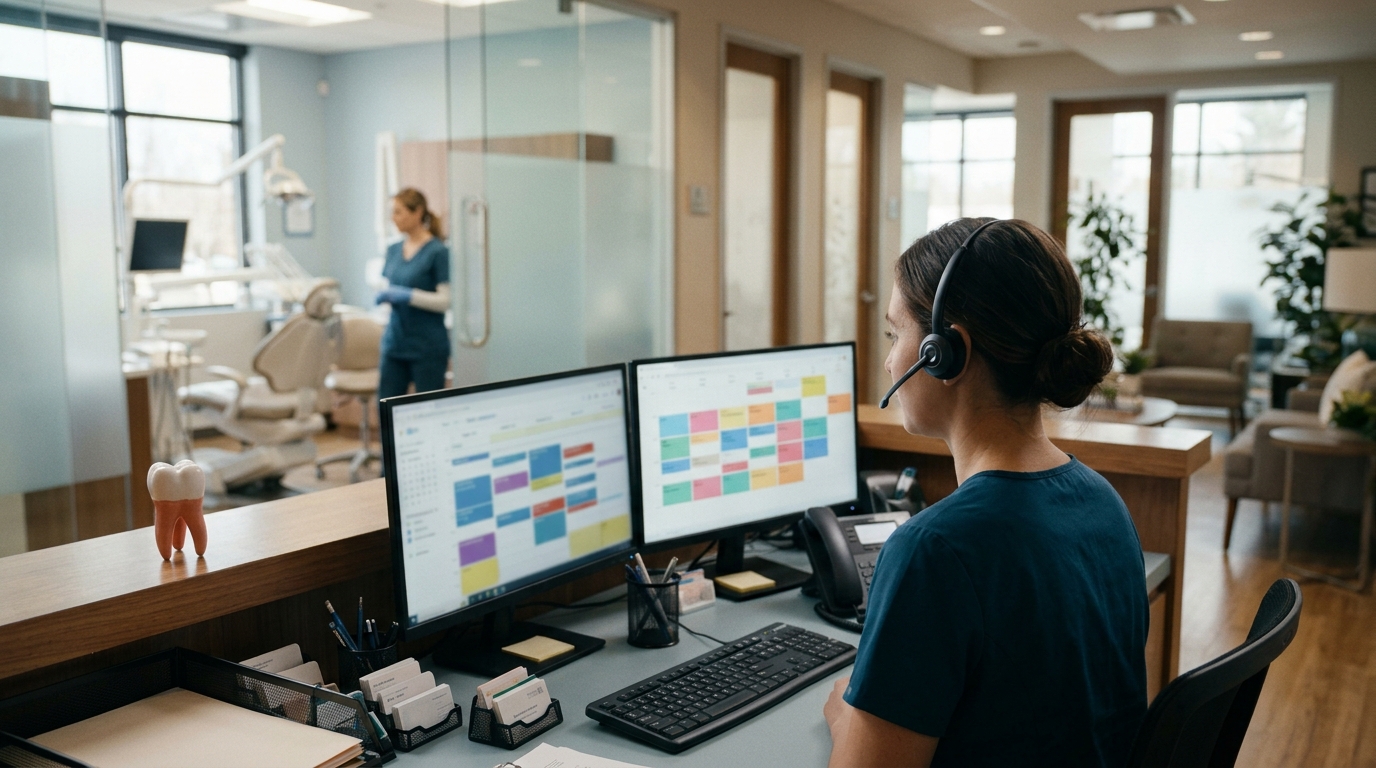
Accurate booking requires an AI system that verifies provider availability in real-time and confirms details before finalizing the slot. CX Bridge achieves this by integrating directly with practice management systems, ensuring the AI only books into actual open slots rather than guessing. This prevents double-booking and reduces the need for manual correction by front desk staff.
Real-Time Integration with Practice Management
The most common cause of booking errors is a disconnect between the AI and the actual calendar. An AI receptionist is a software agent that uses natural language processing to understand caller intent and execute actions. If the AI relies on a static list of hours or a disconnected calendar, it will inevitably book patients into slots that are already taken or unavailable. To ensure accuracy, the system must query the practice management software (PMS) in real-time. When a caller requests a cleaning, the AI should check the specific provider's live availability before offering a time. This ensures that the slot offered is genuinely open at the moment of booking.
Verification Protocols and Confirmation
Even with real-time data, human error or caller confusion can lead to mistakes. A robust AI system must include a verification step where it repeats the booked details back to the caller. This includes the date, time, provider name, and type of procedure. For example, if a patient asks for a root canal with Dr. Smith, the AI should confirm, "I have booked you with Dr. Smith for a root canal on Tuesday at 2:00 PM. Is that correct?" This simple loop catches misunderstandings before the appointment is finalized. Additionally, the system should send an immediate SMS or email confirmation with a link to reschedule, giving the patient a second chance to correct any errors.
Provider-Specific Logic and Constraints
Handling Exceptions and Escalation
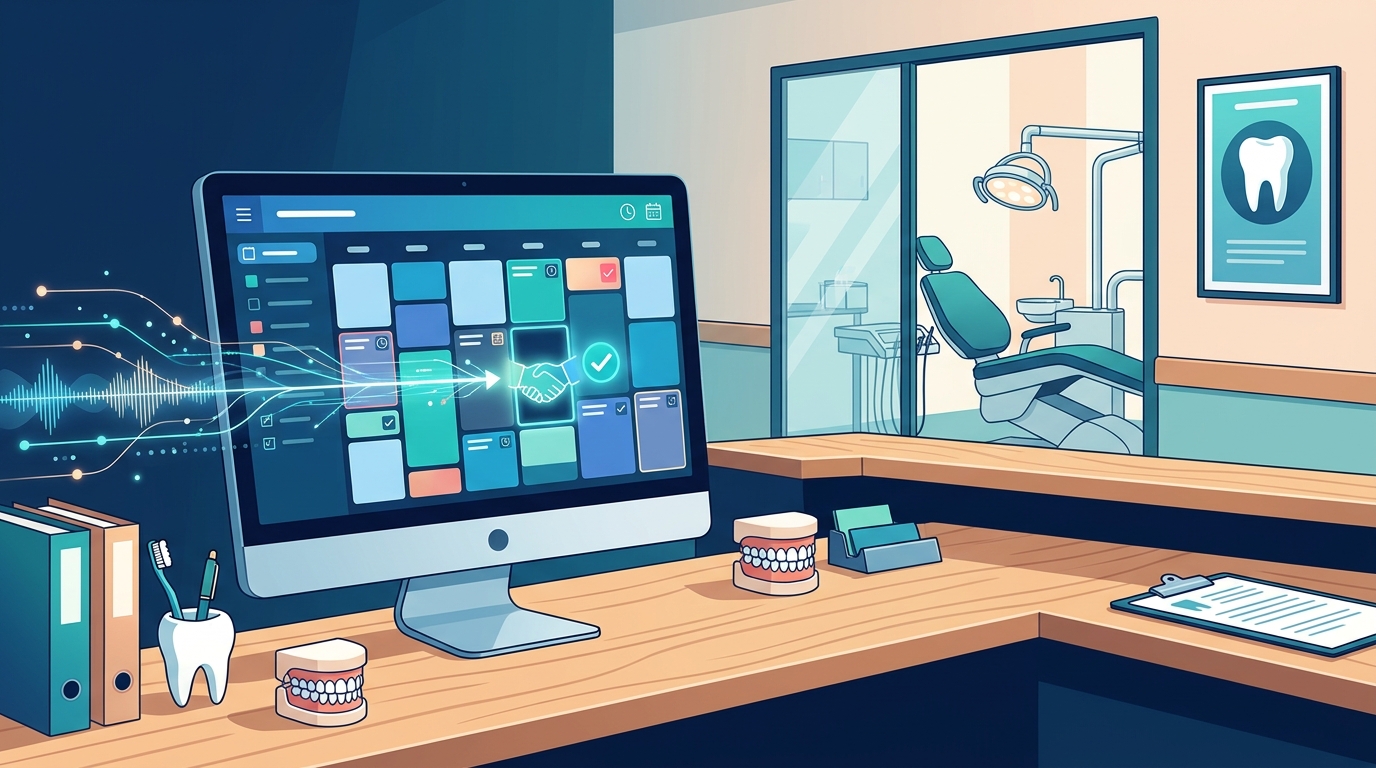
Not every call is a simple booking request. Some callers may have complex insurance questions, medical emergencies, or requests for specific accommodations. An AI system that cannot handle these nuances should recognize its limits and escalate the call to a human agent. CX Bridge supports seamless handoff, transferring the call to a human with full context so the patient does not have to repeat their information. This ensures that complex cases are handled by a person who can make judgment calls, while routine bookings are handled efficiently by the AI.
Monitoring Accuracy and Feedback Loops
Accuracy is not a one-time setup; it is an ongoing process. Practices should monitor booking accuracy metrics regularly. This includes tracking the percentage of appointments that are confirmed without modification, the number of cancellations due to scheduling errors, and the volume of calls escalated to humans. If the AI is frequently booking the wrong provider or time, the practice can adjust the AI's training data or integration settings. Regular review of call transcripts helps identify patterns in miscommunication, allowing the practice to refine the AI's responses over time.
Key Takeaways
- Real-time integration with practice management software is essential to prevent double-booking.
- Always include a verification step where the AI repeats booking details back to the caller.
- Map specific dental services to specific providers to ensure the right clinician is booked.
- Implement seamless handoff to human agents for complex or exceptional cases.
- Monitor booking accuracy metrics regularly to identify and correct errors.
- Send immediate SMS or email confirmations to give patients a chance to correct mistakes.
Frequently Asked Questions
How does an AI system know which dentist is available?
The AI queries the practice management system in real-time to check the live availability of each provider. It does not rely on a static schedule but instead pulls current data to ensure the slot is open.
What happens if the AI books the wrong provider?
If the AI is properly configured with provider-specific constraints, it should not offer the wrong provider for a specific service. If an error occurs, the verification step or the confirmation message allows the patient to correct it, or the front desk can adjust it before the appointment.
Can the AI handle insurance questions during booking?
Basic insurance questions can be answered if the AI is trained on the practice's accepted plans. For complex insurance verification, the AI should escalate the call to a human agent who can perform detailed checks.
How do I test the AI's booking accuracy?
You can test the AI by calling your own business line and requesting various appointments. Check if the AI offers only available slots, confirms the details correctly, and sends the appropriate confirmation messages.
Is it safe to let an AI book appointments without human oversight?
For routine bookings, yes, provided the AI is integrated with real-time data and has verification steps. For complex cases, the AI should escalate to a human. This hybrid approach ensures efficiency and accuracy.
Conclusion
Accurate AI booking is about more than just answering the phone; it is about integrating with your practice's core systems and verifying every detail. By using a platform like CX Bridge that supports real-time integration and seamless handoff, you can ensure that every appointment is booked correctly, reducing administrative burden and improving patient satisfaction. To see how this works in practice, you can explore our dental answering solutions. Learn more: Contact CX Bridge Book.